


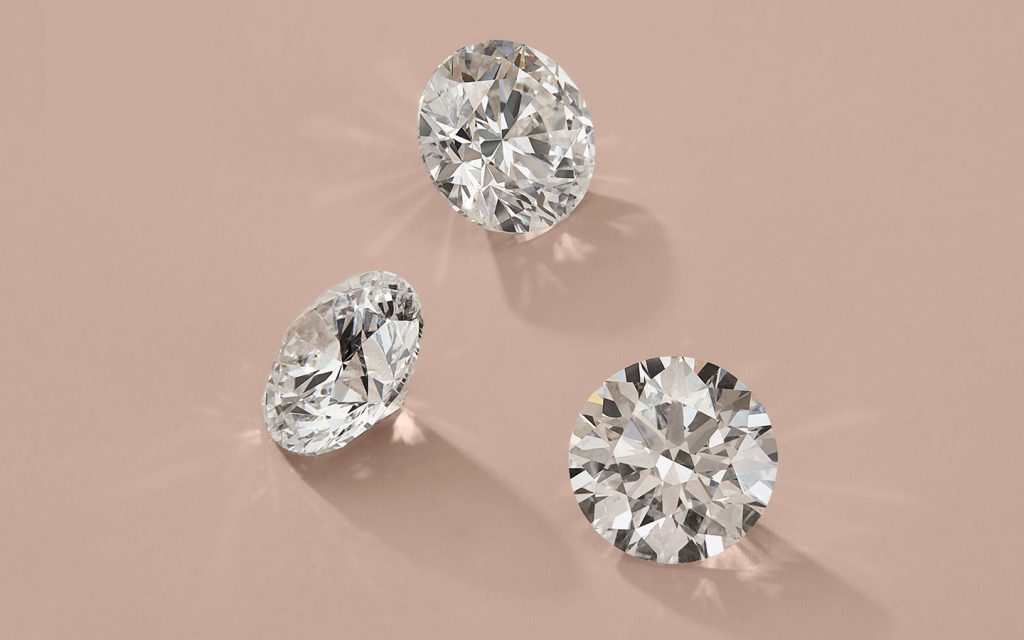
In current years, lab grown diamonds have surged in recognition as clients are seeking greater moral, sustainable, and fee-effective options to mined stones. These diamonds, created in controlled environments the usage of superior technological methods, provide the identical chemical, optical, and physical characteristics as herbal diamonds—making them a compelling alternative for engagement earrings, anniversary items, or non-public collections.
However, with the upward thrust of lab diamonds has come a brand new question for consumers: how can you make certain of a diamond’s excellent if it isn’t mined? The solution lies in independent grading and certification. Two of the most recognized names inside the diamond certification global are the Gemological Institute of America gia vs igi and the International Gemological Institute (IGI). Both play a crucial position in assessing the price and authenticity of diamonds, along with lab-created ones—however their strategies and reputations fluctuate in key methods.
Let’s discover what sets those corporations apart and how their reviews have an effect on the experience of purchasing and owning a lab-created diamond.
What Is Diamond Certification?
Before diving into the contrast, it’s useful to apprehend what certification certainly approach within the context of diamonds.
A diamond certificates, also referred to as a grading document, is an impartial, expert assessment of a diamond’s nice. The record generally covers:
-
Carat weight
-
Color grade
-
Clarity grade
-
Cut grade
-
Measurements and proportions
-
Fluorescence
-
Comments on any seen inclusions or treatments
Having this documentation ensures transparency between shoppers and dealers. It additionally gives self belief that the diamond has been appropriately represented and valued. This is specifically critical when buying excessive-value rings or making an investment in a stone for long-term wear and significance.
GIA: Industry Authority with a Scientific Approach
The Gemological Institute of America (GIA) is possibly the maximum reputable and well-known diamond grading enterprise within the international. Founded in 1931, the GIA set the international trendy for diamond grading with the introduction of the 4Cs (Cut, Color, Clarity, Carat) gadget.
When it involves lab diamonds, GIA changed into to begin with hesitant to problem full reviews. For a long term, they could best offer a restrained evaluation that did not include all grading information. However, in latest years, they have updated their stance and now provide complete reports for lab-created diamonds that include color, clarity, and cut—similar to their natural diamond certifications.
Pros of GIA certification:
-
Highly respected across the worldwide earrings enterprise
-
Strict and conservative grading, supplying peace of thoughts for accuracy
-
Recognized by maximum fundamental stores and insurers
-
Detailed and constant reporting
Cons:
-
Often extra highly-priced for stores to gain
-
Turnaround time may be longer than different labs
-
More conservative grades may additionally make similar diamonds appear decrease in excellent
GIA’s rigorous requirements are a first-rate draw for shoppers who prioritize precision and credibility. However, this every so often results in diamonds acting barely much less dazzling on paper as compared to other grading labs.
IGI: Popular Choice for Lab Grown Diamonds
The International Gemological Institute (IGI) is any other outstanding player within the diamond grading international. Founded in 1975, IGI has a sturdy presence in Europe, Asia, and the United States. Over the last decade, it has emerged as a favourite amongst outlets and clients within the lab diamond space.
IGI turned into one of the first most important grading institutions to include lab-created diamonds fully. Their willingness to provide detailed, standardized reviews for lab diamonds helped legitimize these stones in the early years of their adoption.
Pros of IGI certification:
-
Widely used for lab created diamonds
-
Faster turnaround times and lower prices
-
More on hand to smaller jewelers and on line retailers
-
Comprehensive grading for all types of diamonds, consisting of fancy shapes and coloured stones
Cons:
-
Perceived by means of some as much less strict than GIA
-
Slight grade inflation might also occur in some reports
-
Less prestige than GIA in sure markets
While IGI’s reports are generally truthful, some buyers prefer the more conservative and careful grading technique of GIA—especially while resale value or investment-grade precision is a concern.
Comparing GIA vs IGI for Lab Grown Diamonds
Here’s a head-to-head take a look at how those two grading establishments compare in numerous elements:
Feature Comparison Table
| Feature | GIA | IGI |
|---|---|---|
| Founded | 1931 | 1975 |
| Lab Diamond Support | Full grading to be had (when you consider that 2020) | One of the earliest adopters |
| Grading Consistency | Extremely strict and consistent | Reliable, even though barely looser |
| Market Recognition | Highest worldwide popularity | Popular, specially for lab diamonds |
| Report Detail | Extensive and technical | Also comprehensive |
| Cost to Jewelers | Higher | More low priced |
| Turnaround Time | Longer | Faster |
Ultimately, selecting among the 2 comes down to priorities. If prestige, consistency, and enterprise popularity are top of thoughts, GIA is the gold standard. If accessibility, affordability, and broader attractiveness in the lab diamond world are extra important, IGI is an tremendous desire.
How Certification Affects Buying Decisions
For many consumers, particularly first-time diamond buyers, the differences between certification labs can seem diffused. But the ones variations can impact price, resale capability, and peace of mind.
Let’s say two diamonds seem nearly identical in length, color, clarity, and cut—one certified with the aid of GIA and the other by IGI. The IGI diamond may come at a decrease fee, but some jewelers or insurers would possibly view the GIA-licensed stone as retaining a slightly better cost due to the lab’s conservative grading practices.
That said, for lab grown diamonds, many consumers are attracted to IGI’s quicker availability, greater competitive pricing, and robust aid of lab-created stone certification. This doesn’t mean GIA is a terrible choice—on the contrary, it remains an enterprise chief. But for lab diamonds in particular, IGI’s early adoption and good sized experience make it a trusted and green option.
Final Thoughts
The choice to shop for a lab-created diamond reflects considerate values—sustainability, affordability, and transparency. Once that selection is made, selecting the proper certification partner turns into the subsequent important step. Both GIA and IGI offer reliable grading services, but they serve slightly specific wishes and priorities.
When weighing lab grown diamonds are evaluated the usage of similar standards, but every lab’s recognition and grading fashion can have an effect on perception and price. As a customer, the fine approach is to train your self on both options, ask questions of your jeweler, and read the grading document cautiously. That manner, you’ll realize precisely what you’re getting—ensuring that your diamond no longer most effective glints beautifully, but also stands as much as scrutiny.
No count number which certification you select, a nicely-graded lab diamond is a first rate preference for anybody looking to celebrate life’s milestones with beauty and integrity.